
How to Stop Procrastinating and Take Action (Even When You Don’t Feel Motivated)
Struggling to start important tasks? Learn simple, real-life ways to beat procrastination and finally take action with clarity and confidence.
7 min read


How to Stop Procrastinating and Take Action (Even When You Don’t Feel Like It)
Procrastination is one of the most misunderstood problems of our time. People call it laziness. They blame a lack of discipline. Some even think it means they are weak or incapable. But if procrastination were laziness, you wouldn’t feel guilty for delaying your work. You wouldn’t keep thinking about the task you’re avoiding. You wouldn’t promise yourself “I’ll start tomorrow” again and again.
The truth is simple and uncomfortable: procrastination is not about not caring — it’s about caring too much and not knowing how to handle it.
This blog is not here to shame you.
It’s here to help you understand why you procrastinate and how to finally take action — in real life, not in theory.
What Procrastination Really Is
Procrastination is emotional avoidance.
When you delay a task, it’s usually not because you can’t do it. It’s because the task triggers an uncomfortable emotion. That emotion could be fear, confusion, self-doubt, pressure, boredom, or even perfectionism.
For example, a student delays studying not because they don’t want good marks, but because they’re afraid they won’t understand the subject. A professional delays an important email not because it’s hard to write, but because they fear a negative response. A creator delays posting content not because they lack ideas, but because they fear judgment.
Your brain’s job is not success.
Your brain’s job is comfort.
So when a task feels emotionally heavy, your brain pushes you toward something that feels lighter — scrolling, sleeping, watching videos, or “planning” instead of doing.
Why Procrastination Is Worse Today Than Ever
Procrastination existed before phones, but today it has become extreme.
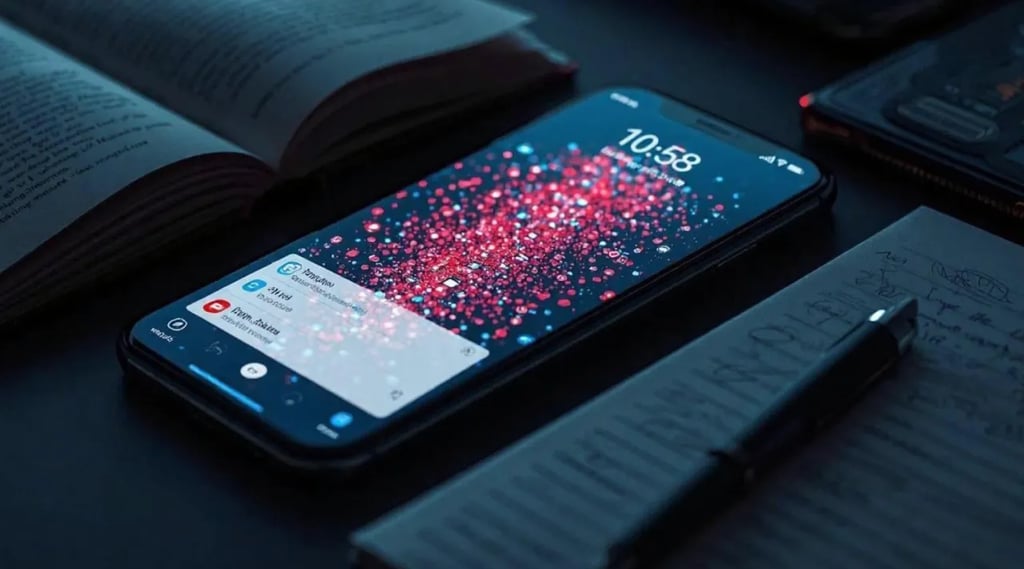
We live in a world of constant stimulation. Notifications, reels, messages, and endless content train the brain to seek instant pleasure. Real work, on the other hand, offers delayed rewards. Studying today gives results later. Writing today gives growth later. Exercising today gives fitness later.
The brain naturally chooses now over later.
That doesn’t mean you’re broken.
It means you’re human — living in a distracted environment.
This is why willpower alone is no longer enough. You don’t need to “try harder.” You need to work smarter with your mind, not against it.
The Silent Damage Procrastination Causes
Procrastination doesn’t just waste time. It quietly damages your relationship with yourself.
Every time you delay something important, a small voice inside you says, “I can’t trust myself.” Over time, this affects confidence. You stop believing your own promises. You start doubting your abilities.
You also lose momentum. Opportunities pass. Skills stay undeveloped. Goals remain ideas.
The worst part? Procrastination rarely feels dangerous in the moment. It feels harmless. Comfortable. Temporary. But over months and years, it becomes the reason people feel stuck in life.
The Most Important Shift: Action Comes Before Motivation
This is where most advice goes wrong.
People say, “Wait for motivation.”
But motivation doesn’t arrive on schedule.
In reality, motivation comes after action, not before it.
Think about it. You don’t feel motivated to clean your room — but once you start, energy appears. You don’t feel motivated to exercise — but after five minutes, your body wakes up. The hardest part is always the beginning.
Action creates momentum.
Momentum creates motivation.
So instead of asking, “How do I feel motivated?”
Ask, “How do I start with the least resistance?”
How to Stop Procrastinating: Practical Strategies That Actually Work
Start Ridiculously Small
Procrastination grows when tasks feel big and undefined. Your brain sees the entire mountain and panics.
Instead of thinking:
“I need to finish this assignment”
“I need to work for two hours”
“I need to fix everything”
Reduce the task to something almost too small:
Open the book
Write one sentence
Read one page
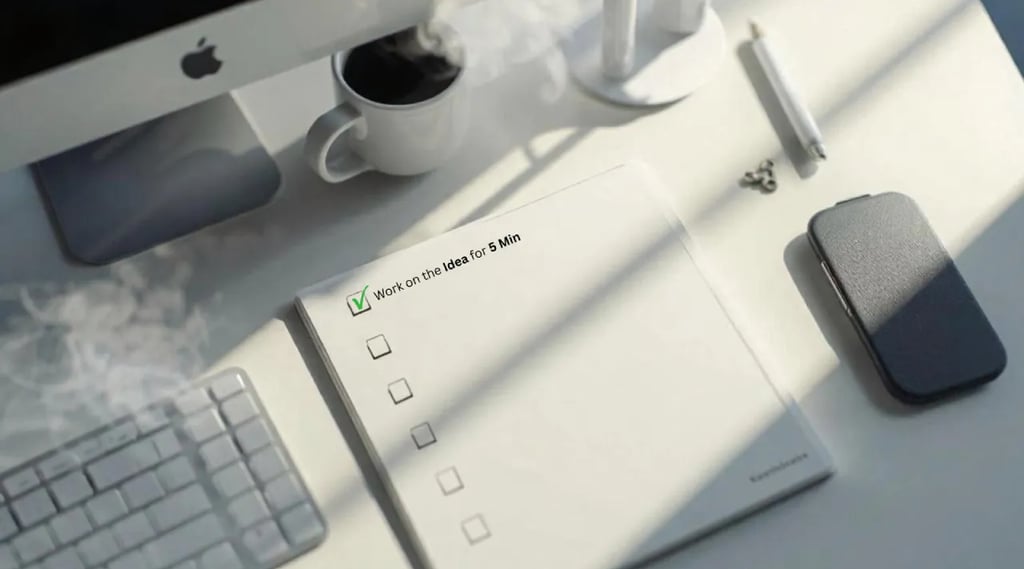
Work for five minutes
This removes emotional pressure. Once you start, continuing becomes easier.
Use the 5-Minute Rule
Tell yourself you’ll work for just five minutes. That’s it.
This trick works because your brain stops resisting. Five minutes feels safe. Non-threatening. Most of the time, once you begin, you continue longer without forcing it.
Even if you stop after five minutes, you’ve still built one powerful habit: showing up.
Consistency matters more than intensity.
Lower Your Standards (Yes, Really)
Perfectionism is one of the most common causes of procrastination.
You delay because you want to do it right. You wait for clarity, confidence, or the perfect moment. But the perfect moment never comes.
Progress doesn’t require perfection.
It requires movement.
A rough draft is better than no draft. A bad workout is better than no workout. An imperfect post is better than silence.
Perfection delays growth. Action accelerates it.
Change Your Environment Before Changing Yourself
Your surroundings shape your behavior more than motivation ever will.
If your phone is next to you, you’ll pick it up. If your books are closed, studying feels harder. If distractions are visible, your brain will choose them.
Simple changes help:
Keep your phone in another room
Open your notebook before sitting down
Use website blockers
Keep your workspace clean
Make starting easy. Make distraction inconvenient.
Schedule Action, Not Feelings
Waiting to feel like it is unreliable.
Instead of saying, “I’ll work when I feel motivated,” decide a fixed time. Show up regardless of mood. Some days you’ll feel great. Some days you won’t. But action stays consistent.
Discipline isn’t punishment.
It’s self-respect in action.
The Questions We All Ask Ourselves (And Honest Answers)
“Why do I procrastinate even when something is important?”
Because importance creates pressure. Pressure creates fear. Fear leads to avoidance.
Break importance into small, manageable steps.
“Why do I work best at the last minute?”
Because urgency removes overthinking. Your brain focuses when choices disappear.
Create smaller deadlines earlier.
“Am I lazy?”
No. You’re overwhelmed, distracted, or emotionally tired.
Fix the system, not your identity.
“Why do I plan but never execute?”
Because planning feels productive without discomfort. Execution requires courage.
Growth lives in discomfort.
Procrastination for Different People
For Students
Students procrastinate when subjects feel confusing or overwhelming. Short study sessions, starting with easier topics, and removing phone distractions make a huge difference. Studying doesn’t need motivation — it needs structure.
For Professionals
Professionals delay tasks when priorities are unclear. Breaking work into clear deliverables, blocking time for deep work, and deciding the next action before ending the day reduces procrastination.
For Creators
Creators often procrastinate not because they lack ideas, but because they fear judgment. The fear of being ignored, criticized, or not being “good enough” quietly delays creation. The real solution is learning to separate creating from evaluating. Create first. Judge later. Consistency always beats inspiration.
Look at MrBeast — his early YouTube videos were far from perfect, low-quality, and barely watched. But he didn’t wait to become confident before posting. He posted to become confident. Each video taught him something, and that learning compounded. Ali Abdaal openly shares that his first videos were awkward and unimpressive, yet he uploaded consistently, improved in public, and let feedback guide growth. The confidence came after action, not before it.
Even creators like Gary Vaynerchuk emphasize this principle relentlessly: document first, refine later. Most creators stay stuck because they overthink the first step, polishing ideas endlessly in their heads while momentum dies. Successful creators accept that the first version will be imperfect — and that’s exactly how it’s supposed to be. Growth comes from repetition, not hesitation.
If you’re a creator, your job isn’t to make perfect content — it’s to show up on schedule. Post the video. Publish the article. Share the idea. Let data, audience response, and experience handle the improvement. The creators who win aren’t the most talented — they’re the ones who kept creating when motivation was low and fear was loud.
The Mindset Shift That Changes Everything
Stop asking: “How do I stop procrastinating?”
Start asking: “How do I build trust with myself?”
Every small action rebuilds self-trust. And self-trust kills procrastination.
Why Thinking Like Legends Helps You Take Action
Legends didn’t wait for motivation.
They acted:
When tired
When confused
When scared
When no one was watching
They understood something most people don’t:
Action creates belief.
Belief creates confidence.
Confidence creates momentum.
Recommended Read: The Flame of a Billion Dreams
If procrastination has kept you stuck for years, the real issue may not be productivity — it may be how you think.
The Flame of a Billion Dreams is not a typical motivational book.
It’s a collection of powerful stories and lessons that help you think like legends — the kind of mindset that acts despite fear, doubt, and uncertainty.
This eBook helps you:
Shift from hesitation to execution
Build inner fire and clarity
Learn how great minds think under pressure
Replace delay with decisive action
If you want to stop procrastinating at the root level — this book will speak to you. Sometimes, all it takes is the right story to ignite action.
Action Is a Skill, Not a Mood
You don’t need more motivation.
You don’t need a new routine.
You don’t need another Monday.
You need to start small, today.
Because the moment you act — even imperfectly — procrastination loses its power.















Be a Part of The Community!
Join Bold Hearts for weekly inspiring stories!
Contact
Subscribe TO BOLD HEARTS
thundermotivation007@gmail.com
© 2025. Thunder Motivation. All rights reserved.