
What is Motivation? Meaning, Science & How to Stay Motivated Daily
Learn about motivation deeply — meaning, types, science, psychology, why it fades & practical steps to stay motivated long-term for success, discipline & growth.
6 min read


What Really Is Motivation?
Everyone wants success. Everyone wants progress. But not everyone feels motivated every day — and this is where most people get stuck. Motivation is romanticized as a spark that magically arrives and pushes us into action. But in reality, motivation is not always waiting around the corner, nor does it visit when needed. Sometimes we sit with our goals written beautifully on paper while our mind refuses to move. We know what to do, yet we cannot start. We want transformation, but our habits resist. Motivation feels like fuel, and when the tank is empty, movement becomes hard. The problem isn’t that we lack desire — it’s that we’re waiting for motivation to act, when the truth is motivation is created through action, not before it. This blog exists to help you understand motivation deeply — the psychology, science, types, triggers, boosters, failures, systems, strategies and how anyone can learn to stay motivated long-term.
Motivation, at its core, is the internal drive that pushes us to take action. It is the emotional and psychological energy behind effort. Motivation answers the question "What makes you act?" Whether it's waking up early, studying hard, working out, starting a business or improving your life — motivation is the reason behind the movement. In simple terms, motivation is the bridge between intention and execution. Without motivation, goals remain words. With motivation, words turn into action. But it’s important to understand — motivation is not constant. Some days you feel unstoppable, some days you barely move. Which means motivation should never be your only fuel — you must build systems, purpose and discipline that keep you going even when motivation fades.
The Science Behind Motivation (Why the Brain Works the Way It Does)
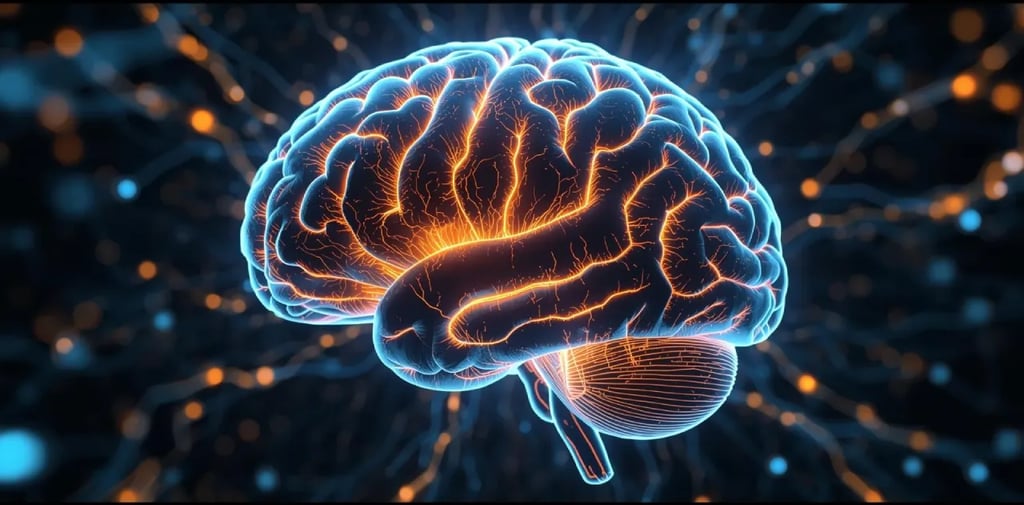
The source of motivation in the brain is dopamine, the chemical of movement, excitement and reward. When you see progress, complete a task, visualize success, or receive appreciation — dopamine releases, making you feel good and encouraging you to continue. Motivation is actually a biological feedback loop: thought → small action → reward → motivation → bigger action. This is why starting is always the hardest part. Once the brain tastes completion, momentum builds. The reason we procrastinate is because our brain favors comfort and instant pleasure over long-term effort. Social media scrolling, entertainment, comfort eating — all give quick dopamine, while studying, working or building skills gives delayed reward. The trick is to train the brain to love progress by creating small wins, tracking improvement and rewarding consistency — so the brain learns that effort brings satisfaction.
Types of Motivation (Detailed with Examples)
1. Intrinsic Motivation
Intrinsic motivation comes from within — passion, curiosity, personal satisfaction. A child plays music even when no one is watching because it feels good. A writer writes to express heart. A student studies out of love for learning. This type of motivation is powerful because it doesn’t need external force. People driven intrinsically stay consistent longer because motivation flows from identity, not reward.
2. Extrinsic Motivation
Extrinsic motivation is driven by outcomes — salary, grades, prize, applause, social approval. A person works harder for promotion, a student studies for marks, an athlete trains to win a medal. This motivation works well in the short term, but if external rewards stop, effort drops. It is useful when combined with internal motivation.
3. Achievement Motivation
When the drive is to win, excel, stand out and push limits — this is achievement motivation. Entrepreneurs, athletes, high-performers thrive here. They chase mastery, results and peak performance. Their motivation comes from competition with their old self.
4. Fear-Based Motivation
Deadlines, consequences, pressure — fear can push action quickly. Many students study last night because of fear of failure. While effective suddenly, fear should not be the only fuel. It builds stress if used long-term. But used correctly, it can spark momentum.
5. Goal Motivation
Goals create direction. When you know what you want clearly — job, fitness transformation, financial freedom — the mind stays driven. Goal-based motivation requires clarity. A vague hope produces weak action. A crystal goal pulls you forward.
6. Growth Motivation
Growth motivation is about becoming better than yesterday. Not perfect — just improving. This mindset is sustainable because progress becomes pleasure. When you enjoy learning, improving, evolving — motivation becomes habit, not push.
Why Motivation Disappears (The Real Reasons)
People assume they are lazy, but laziness is rarely the real cause — lack of clarity is. When goals are big but unclear, the brain gets overwhelmed and chooses escape. Another reason motivation drops is expectation — hoping results arrive fast. When outcomes delay, energy drops. Distractions like social media hijack attention, making the mind addicted to short dopamine. Consistency breaks, routine dies and motivation feels lost. To sustain motivation, we must design life to support it instead of fight it. Motivation dies not because we are weak, but because systems are missing.
The Motivation Formula
A practical way to understand motivation:
Motivation = Clarity + Purpose + Energy + Consistency
Without clarity, there’s confusion.
Without purpose, there’s no emotional fire.
Without energy (sleep, health, lifestyle), the mind collapses.
Without consistency, effort resets weekly.
Motivation is not one ingredient — it's a recipe.
How to Build Motivation (Step-by-Step Practical Methods)
Start by clarifying your why. When you know WHY you want something, discipline becomes easier. Goals without emotional meaning fade fast. Write your WHY on paper — something that shakes you. Next, break big goals into tiny steps. Small wins release dopamine and convince the brain that progress is happening. Use the 2-minute start rule — just begin for 2 minutes. Most resistance is before starting. Once movement begins, momentum takes over.
Build routine rather than depending on feelings. Successful people don’t wait to “feel” motivated — they act first, emotion follows. Reward yourself for progress — small treats, breaks, celebration. Reward creates repeat behavior. Remove distractions — notifications steal futures silently. Keep the phone away while working. Track your progress visually — calendars, habit trackers or checklists. Seeing improvement fuels commitment. Lastly, design environment to support success — a clean desk motivates more than a messy one. The environment shapes behavior quietly.
Long-Term Motivation Strategies
Motivation lasts long when identity changes. Instead of saying "I want to exercise", say "I am someone who exercises." Identity creates behavior automatically. Build discipline like muscles — show up even when you don’t feel like. Have accountability — someone or something to answer to. Create vision boards, morning affirmations and journal your growth. Read books, podcasts, learning material — consume content that feeds mind, not drains it. Surround yourself with people who are hungry, not hopeless. Energy is contagious — choose wisely.
Motivation vs Discipline
Motivation is the spark. Discipline is the engine. Motivation helps you start. Discipline helps you finish. When motivation fades, discipline must continue. Real achievers don’t rely on inspiration — they rely on habits. You don’t rise to your goals, you fall to your systems. Remember — action creates motivation, not the other way around. Start anyway. Movement generates momentum.
Motivation Stories That Prove This Works
David Goggins transformed from overweight and broken to a Navy SEAL through brutal discipline. Kobe Bryant practiced more than teammates before sunrise. Arnold Schwarzenegger worked day and night chasing his dream when no one believed. J.K. Rowling was rejected 12 times before Harry Potter became global. Their lives show — greatness is not talent. It is a mindset powered by disciplined motivation.
Motivation Tools & Techniques (Detailed Paragraph)
Use habit trackers to visualize progress. Use time blocking to protect focus hours. Apply Pomodoro sessions to study/work in deep sprints. Use affirmation scripts — "I am capable, I am consistent, I am growing." Create a 5am routine if it fits your lifestyle. Build accountability by sharing goals with a friend or online. Use vision planners weekly. Motivation strengthens through tools just as the body strengthens through training.
Motivational Quotes Compilation Section
You can embed 20-50 quotes here eventually, such as:
"Success is earned when excuses end."
"You don’t need motivation to start — you start to get motivation."
(You can expand in next blog too)
Common Motivation Myths Debunked
Myth 1: "Motivation must come first."
Truth: Action triggers motivation.
Myth 2: "Successful people are always motivated."
Truth: They are disciplined even without motivation.
Myth 3: "Motivation is emotional."
Truth: It’s neurological and trainable.
Motivation is a Skill, Not a Miracle
Motivation isn’t luck. It’s not a magical energy. It is a trainable mindset fueled by clarity, purpose, progress, environment and discipline. Your life changes the day you stop waiting for motivation and start creating it. Get up. Act small. Repeat daily. Build systems. Your future is not waiting — it’s responding.


📌 FAQs
1. What is motivation in simple words?
Motivation is the internal drive that pushes you to take action toward goals or tasks. It is the energy that moves intention into execution.
2. Why does motivation fade over time?
Motivation fades due to lack of clarity, slow progress, distractions, and the brain’s preference for comfort and instant dopamine.
3. How can I stay motivated daily?
Set clear goals, break tasks smaller, use reward systems, track progress, remove distractions, and build routine over mood.
4. What is the difference between motivation and discipline?
Motivation helps you start, but discipline keeps you consistent even without motivation. Discipline is long-term power.
5. How do I restart motivation when I feel stuck?
Begin small — even a 2-minute start rule triggers momentum. Focus on progress, not perfection.
Be a Part of The Community!
Join Bold Hearts for weekly inspiring stories!
Contact
Subscribe TO BOLD HEARTS
thundermotivation007@gmail.com
© 2025. Thunder Motivation. All rights reserved.